Quieting the Day Inside You: A Science-Guided Path to Deep Relaxation
Even when the world around you finally gets quiet, your body and mind can stay on “daytime mode.” Muscles hold on to small tensions, thoughts keep cycling, and sleep feels more like something you chase than something that arrives. This gentle guide is designed to help you shift from alert to at-ease using evidence-based tools: simple practices, subtle environmental tweaks, and carefully chosen products that support—not fight—your natural biology.
Instead of forcing rest, you’ll learn how to create the conditions where relaxation can unfold on its own.
How Your Body Knows It’s Time to Unwind
Your ability to relax is not just about “willpower” or mental discipline; it’s rooted in biology. Two main systems shape how calm or wired you feel:
- The sympathetic nervous system: your “go” mode—focus, problem-solving, stress responses.
- The parasympathetic nervous system: your “rest and digest” mode—slower heart rate, easier breathing, softer muscles.
Relaxation is essentially the art of inviting the parasympathetic system to take the lead. One major cue is light. As daylight fades, your eyes send signals to a region deep in the brain called the suprachiasmatic nucleus (SCN), which helps set your internal clock. In response, your brain increases production of melatonin, a hormone that signals that night has begun and prepares your body for rest.
Blue-rich light from screens and bright overhead bulbs can blunt this signal and keep your system in a semi-daytime state. Chronic stress, late meals, and irregular sleep schedules can also confuse your internal clock, making it harder to relax even when you’re tired.
The goal is not perfection, but alignment: helping your surroundings and habits send a clear, consistent message to your body—“it’s safe to slow down now.”
Breathing as a Gentle Switch for Your Nervous System
Among all the tools you can use, your breath is one of the most powerful, portable, and science-backed ways to ease your body toward relaxation.
Slow, intentional breathing activates the vagus nerve, a key pathway of the parasympathetic nervous system. This can gently lower heart rate, reduce blood pressure, and quiet the feeling of “inner noise.”
Here is a simple, research-supported pattern you can try:
1. Extended exhale breathing
- Inhale through your nose for a count of 4.
- Exhale through your mouth (or nose if more comfortable) for a count of 6–8.
- Continue for 2–5 minutes.
Longer exhales send a clear “it’s okay to relax” signal to your body. If counting feels stressful, just aim for slow, smooth breathing with a slightly longer exhale than inhale.
2. “Physiological sigh” reset
This technique, studied at Stanford, can quickly reduce feelings of stress:
- Take a long inhale through your nose.
- At the top of the breath, take a second, shorter sip of air.
- Then exhale slowly and fully through the mouth.
- Repeat 2–5 times.
Use this when you feel tension rising—before bed, if you wake in the night, or anytime your mind starts to race.
You don’t need to aim for perfect form. What matters most is consistency: a few minutes each evening gradually teaches your nervous system what calm feels like again.
Turning Your Space Into a Quiet Signal for Rest
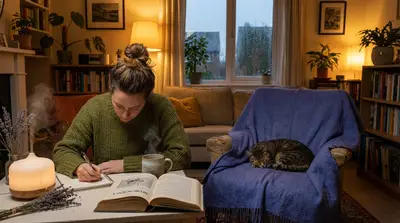
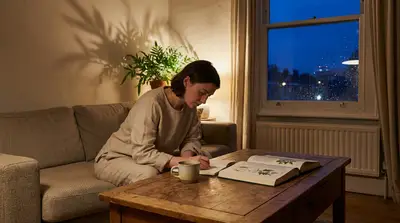
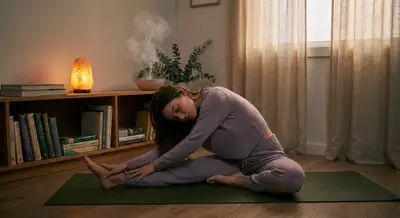
Your environment can either nudge you toward calm or keep your brain half-alert. Small, deliberate shifts can make a surprisingly big difference.
Light
- Aim for dim, warm light in the hour or two before bed. Table lamps, warm-toned bulbs (around 2700K), or smart bulbs set to an amber hue help mimic evening light.
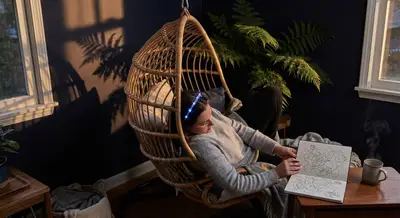
- Consider blue-light–filtering glasses or enabling night mode on screens if you must use devices. While not a complete fix, they can reduce the most stimulating wavelengths.
Sound
- Complete silence isn’t always necessary; for many people, gentle background sound can be calming.
- Soft white noise, gentle fan sounds, or nature soundtracks (rain, waves, distant thunder) can mask sudden noises that might pull your brain back to alert mode.
- If noise is an issue where you live, noise‑masking earbuds or dedicated white noise machines can create a steadier sonic backdrop.
Temperature
- Your body naturally cools down as you move toward sleep. A slightly cooler room—often cited around **60–67°F (15–19°C)**—supports this process.
- Consider breathable bedding materials like cotton, linen, or bamboo-derived fabrics to prevent overheating, which can fragment sleep even if you don’t fully wake up.
These adjustments don’t need to be expensive or dramatic. Even one softer lamp, one layer of breathable bedding, or one simple sound source can gradually train your brain to associate your space with comfort and ease.
Gentle Practices to Ease Mental Overactivity
Many people feel physically tired but mentally “loud.” Instead of trying to force your mind to be blank (which often backfires), it can help to give your thoughts a safe landing place.
1. The “worry container” exercise
- Keep a small notebook by your bed.
- Each evening, spend 3–5 minutes writing down any looping concerns: things you’re afraid you’ll forget, unresolved tasks, or persistent worries.
- End the page with a simple sentence such as: “I have put these down for tonight. I will return to them tomorrow.”
This externalizes mental clutter, which research suggests can reduce nighttime rumination and sleep-related worry.
2. Simple body scan
- Lie down or sit comfortably.
- Gently bring your attention to your feet. Notice any sensations: pressure, temperature, tingling.
- Move slowly upward—calves, thighs, abdomen, chest, shoulders, arms, hands, neck, face.
- If you find tension, imagine sending the breath to that area on each exhale, inviting it to soften just a little.
You don’t need to get through your entire body. The point is to shift attention from thinking to sensing, which often makes it easier for the mind to quiet itself.
3. Soft-focus gratitude
Instead of forcing positive thinking, try quietly noting three small, specific things from the day that felt okay or slightly good—sun on your face during a commute, a kind message, a moment of stillness. This gently tilts your attention away from problem-scanning, which the brain tends to default to at night.
Products That Support Relaxation (Without Over-Promising)
Sleep and relaxation products can be helpful, but it’s important to choose them as supports, not “magic fixes.” Here are some categories with a reasonable evidence base, along with realistic expectations.
Weighted blankets
Weighted blankets provide deep pressure stimulation, which can evoke a feeling of being held or contained. Some studies suggest they may:
- Reduce self-reported anxiety in some people
- Help certain individuals with insomnia feel more settled at night
For many, the gentle pressure helps the body feel less fidgety. If you try one:
- Choose about 8–12% of your body weight, unless a health professional advises otherwise.
- Ensure you can move freely and that it doesn’t worsen breathing or joint discomfort.
- Avoid use in small children or anyone who may have difficulty moving the blanket independently.
White noise machines and sound apps
Noise can be a major barrier to relaxation. White noise machines or apps that play gentle soundscapes can:
- Mask sudden changes in noise (like traffic or voices)
- Provide a predictable, non-engaging sound that your brain can “tune out”
Look for devices or apps that allow you to:
- Adjust volume and tone
- Choose between different sound profiles (fan, rain, ocean, brown noise, etc.)
Experiment with which sound feels most soothing to you; there is no universal “best” option.
Light management tools
Because light is such a powerful signal for your brain, a few small tools can help create a more restful evening environment:
- Blackout curtains or an eye mask if you live in a bright area or have early sunrise
- Warm-coloured bulbs (e.g., 2700K) for bedside lamps
- Blue-light–filtering glasses for evening screen use (a helpful addition, though not a substitute for reducing overall screen time before bed)
These products don’t directly “cause” sleep, but they increase the likelihood that your natural sleep signals can emerge without being overridden by environmental cues.
Calming scents and tactile comforts
While research on aromatherapy and tactile items is more limited and often modest in effect, many people report subjective benefits from:
- Lavender essential oil in a diffuser or diluted in a roller (always dilute properly and avoid direct skin contact if sensitive)
- Soft, breathable bedding that feels pleasant against the skin
- A comfortable, supportive pillow that keeps your neck in a neutral position
These support the sensory side of relaxation, creating a multi-layered feeling of safety and ease, even if their measurable effects are small.
When Relaxation Feels Out of Reach
If you are consistently struggling to relax, lying awake for hours, or waking repeatedly through the night, it may be more than just “stress.” Conditions such as insomnia, sleep apnea, restless legs syndrome, or underlying mental health concerns like anxiety and depression can all interfere with your ability to unwind.
Consider reaching out to:
- A primary care provider, who can screen for medical contributors (including medications that may affect sleep)
- A mental health professional trained in cognitive behavioral therapy for insomnia (CBT‑I) if anxious thoughts and patterns around sleep are dominant
- A sleep specialist if you snore loudly, gasp at night, or wake unrefreshed despite plenty of time in bed
Getting help is not a sign of failure. Sometimes, your body needs a bit more targeted support to restore its natural capacity to settle and rest.
Conclusion
Relaxation is not a single technique or product; it’s a relationship between your body, your environment, and the messages you send yourself each day. When those pieces begin to align—through gentle breathing, soothing spaces, thoughtful product choices, and kind mental habits—rest often shows up more naturally.
You don’t need to overhaul your life overnight. Choose one small practice to begin with: a few minutes of extended-exhale breathing, dimmer light in the evening, a short body scan, or adding a single calming product that supports your comfort. Let your nervous system get to know what “safe enough to relax” feels like again.
Over time, these quiet signals can add up, helping your days end more softly and your nights become a place of restoration instead of struggle.
Sources
- National Heart, Lung, and Blood Institute – Sleep Deprivation and Deficiency – Overview of how sleep and circadian rhythms affect health and functioning
- National Institute of General Medical Sciences – Circadian Rhythms – Explains how light and internal clocks regulate daily cycles, including sleep
- Harvard Medical School – Blue Light Has a Dark Side – Discusses how evening light exposure, especially from screens, can interfere with melatonin and sleep
- Cleveland Clinic – Weighted Blanket: Benefits & How to Use – Reviews potential calming effects of weighted blankets and safety considerations
- National Center for Complementary and Integrative Health – Relaxation Techniques – Evidence-based overview of breathing, body scan, and other relaxation practices