Gentle Tools for Rest: A Science-Steeped Look at Sleep Products
Sleep products promise a lot: faster sleep, deeper rest, calmer nights. It can feel overwhelming to sort out what’s truly helpful from what’s mostly marketing. Instead of chasing the next miracle gadget, it can be more effective—and more calming—to understand how different tools interact with your body’s natural sleep systems. When you know why something works, choosing the right products becomes quieter, simpler, and kinder on both your mind and your budget.
This guide walks you through common sleep products using a steady, science-informed lens. You’ll learn which categories have good evidence, how to pair them with healthy habits, and how to build a small, trusted toolkit that supports—not replaces—your natural ability to rest.
How Sleep Products Actually Help: A Calm Look at the Science
Many sleep tools work best when they support what your body is already trying to do. Your brain and body follow a roughly 24-hour rhythm, called your circadian rhythm, guided by light exposure, body temperature, and daily routines. Sleep products are most effective when they nudge these systems gently rather than override them.
Blue-light blocking glasses, for example, aim to protect melatonin, the hormone that rises in the evening and signals your brain that it’s time to sleep. Weighted blankets may help calm the nervous system by providing deep, steady pressure that some people find grounding. White noise machines can blur out sudden sounds that might otherwise wake you, making your sleep environment more stable and predictable.
The key principle: products usually work as supports, not stand-alone cures. Even well-designed tools can only go so far if caffeine intake is high late in the day, if bedtime shifts by hours each night, or if the sleeping environment is bright, loud, or uncomfortable. When you treat products as gentle helpers alongside consistent routines—rather than quick fixes—you align more closely with what sleep research actually shows.
Crafting a Calmer Sleep Environment: Light, Sound, and Temperature
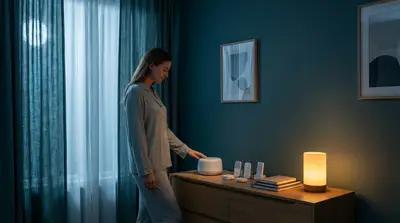
Before reaching for specialized devices, it helps to think of your sleep space as a system: light, sound, and temperature quietly shape how deeply you rest. Small, targeted product choices can bring these elements into a more sleep-friendly range.
Light management
Your brain is highly sensitive to light, especially blue-enriched light from screens and bright LEDs. In the evening, dim, warm-toned light helps your body shift into “night mode.” Helpful tools include:
- Warm, low-intensity bulbs or lamps for the evening hours
- Clip-on reading lights with amber or red hues for pre-sleep reading
- Blackout curtains or sleep masks to block early morning light or street lamps
These products work by reducing light to your retina, supporting natural melatonin release and helping your brain understand: it’s time to wind down.
Sound shaping
Even if you don’t fully wake up, noises can fragment sleep, leaving you feeling less rested. A calmer sound environment can come from:
- White noise machines or apps that create a constant, gentle sound floor
- Soft fans that add airflow and steady background noise
- Foam or silicone earplugs for those in noisier buildings or cities
Research suggests continuous, predictable sound can help mask sudden disruptions, especially in light sleepers, making these tools a simple but meaningful support.
Temperature balance
Your core body temperature naturally drops at night. Sleep tends to improve when the environment supports this drop rather than fights it. Consider:
- Breathable, natural-fiber bedding (like cotton, linen, or bamboo) to allow heat to escape
- Cooling mattress toppers or pads if your mattress traps heat
- Layered blankets that make it easier to adjust warmth during the night
Most sleep studies suggest a bedroom temperature in the cool range—often about 60–67°F (15–19°C) for many adults—though personal comfort matters. The right products help you reach a “quietly cool” environment without constant adjustments.
Gentle Pressure and Comfort: Weighted Blankets, Pillows, and Mattresses
Comfort is not just about softness—it’s about proper support, alignment, and a sense of safety. The right physical supports can decrease tossing and turning, making it easier to slip into and stay in deeper stages of sleep.
Weighted blankets
Weighted blankets are designed to deliver deep pressure stimulation, a gentle, evenly distributed weight across your body. Some studies suggest they may:
- Reduce movements during the night
- Lower feelings of anxiety in some people
- Help certain individuals feel more “held” and settled at bedtime
If considering one, you might look for a blanket roughly 7–12% of your body weight, and avoid anything that feels restrictive or too hot. Those with respiratory or cardiovascular conditions should speak with a clinician before use.
Pillows and spinal alignment
A well-chosen pillow keeps your neck and spine in neutral alignment. Key considerations:
- Side-sleepers often benefit from a higher-loft, firmer pillow to fill the space between shoulder and neck
- Back-sleepers usually need medium height and support
- Stomach-sleepers may require a very thin pillow—or none at all—to avoid neck strain
Memory foam, latex, and adjustable-fill pillows (where you can add or remove filling) can make fine-tuning easier. The best pillow is the one that leaves you waking without neck stiffness or morning headaches.
Mattress support and pressure relief
While there’s no single “perfect” mattress type, research and clinical guidance point toward a few helpful ideas:
- Medium-firm mattresses often strike a balance between support and comfort for many people
- Those with back pain may benefit from surfaces that maintain spinal alignment while cushioning pressure points at the shoulders and hips
- Mattress toppers can sometimes adjust feel and comfort without needing a full replacement
If possible, testing mattresses for multiple nights and paying attention to how your body feels in the morning can be more informative than a quick, in-store trial.
Calming the Mind: Aromatherapy, Warmth, and Simple Ritual Tools
The mind’s restlessness is a common barrier to sleep. Certain tools can make a bedtime ritual feel more tangible, giving your brain clear “now we’re slowing down” signals.
Aromatherapy and scent
While scent alone is rarely a cure for insomnia, several small studies suggest that certain essential oils—particularly lavender—may modestly improve subjective sleep quality and relaxation for some people.
Common options include:
- Lavender essential oil in a diffuser, or diluted in a carrier oil for topical use
- Chamomile or bergamot blends designed for evening use
- Lightly scented pillow sprays with calming profiles
Key is using scent sparingly and consistently. Overpowering fragrances can be stimulating or irritating. If you have asthma, allergies, or sensitivities, it’s wise to proceed cautiously or consult with a clinician.
Warmth-based tools
Products that introduce gentle warmth often pair well with the body’s temperature dynamics:
- Warm baths or showers 1–2 hours before bed can help: blood flows to the skin’s surface, and as you cool afterward, it may support sleep onset
- Microwavable heat packs for tense shoulders or lower back discomfort
- Warm socks for those with cold feet, which may help blood flow and support sleep onset in some individuals
These tools can create a sense of physical comfort, making it easier to shift attention away from worries and into the body.
Ritual anchors
Small objects can serve as “anchors” for your evening routine:
- A specific journal for brain-dump writing before bed
- A dedicated reading light and book, used only in the last part of the evening
- A soft eye mask that you put on as the final step before sleep
The product itself is less important than the consistent pairing with calming activities. Over time, these repeated cues can make the transition to sleep feel more automatic and less effortful.
Digital Sleep Tech: Tracking, Alarms, and Mindful Use
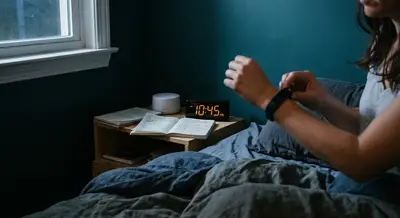
Sleep technology—apps, trackers, smart alarm clocks—can be helpful if used with care. The goal is to support awareness and consistency, not to create new anxieties about “perfect” sleep.
Sleep tracking devices
Wearables and mattress-based sensors estimate sleep stages, duration, and disturbances. Their strengths and limitations:
- They can increase awareness of bedtime regularity, total sleep time, and rough trends
- They are not as accurate as clinical sleep studies for diagnosing sleep disorders
- For some people, hyper-focusing on nightly data can increase stress—a phenomenon sometimes called orthosomnia (an unhealthy preoccupation with sleep metrics)
If you use a tracker, consider focusing on gentle trends (e.g., “I sleep a bit more on nights when I wind down earlier”) rather than individual nights or precise stage breakdowns.
Smart alarms and light-based wake tools
Gradual wake-up lights simulate sunrise, brightening your room over 20–30 minutes before your chosen alarm time. These can:
- Help regulate circadian rhythms, especially in darker months or for early wake times
- Make waking feel less jarring than loud, sudden alarms
Paired with regular bed and wake times, these tools can gently strengthen your internal clock.
Calming audio and guidance apps
Sleep-focused apps may offer:
- Guided relaxation, breathing, or body-scan exercises
- Soft ambient soundscapes or stories designed to soothe without overstimulating
- Short cognitive-behavioral strategies for managing nighttime worry
The most effective apps are typically those grounded in cognitive behavioral therapy for insomnia (CBT-I) principles or evidence-based relaxation methods. Many can be used briefly before lights-out, then turned off to avoid late-night scrolling.
Choosing Sleep Supplements Carefully: What Science Suggests
Sleep supplements are widely marketed, but their effects and safety profiles vary. It can be helpful to think of them as optional tools rather than first-line strategies. Always consult a healthcare professional before starting any new supplement, especially if you have medical conditions or take medications.
Melatonin
Melatonin is a hormone your body naturally produces in the evening. As a supplement:
- It may help with circadian timing issues—such as jet lag or shift work—when used at specific times and doses
- Small doses (often 0.5–3 mg) taken 1–2 hours before desired bedtime may be as effective or more appropriate than large doses for many adults
- Long-term safety data in healthy adults is still evolving, and quality can vary between products
Melatonin is usually not recommended as a primary, long-term fix for chronic insomnia without medical guidance.
Magnesium
Magnesium plays a role in muscle relaxation and nerve function. Some people with low magnesium levels may benefit from supplementation, and certain forms (like magnesium glycinate or citrate) are commonly marketed for sleep support. Evidence is mixed but suggests possible modest benefits in specific populations.
If you’re interested in magnesium:
- Discuss appropriate dosing and form with a healthcare professional
- Be aware that high doses can cause digestive side effects in some individuals
Herbal blends (valerian, chamomile, etc.)
Herbal sleep aids vary widely in composition and strength. Some, like valerian root, have been studied with mixed results; benefits, if present, tend to be modest.
Important considerations:
- Herbal does not automatically mean safe for everyone; interactions with medications are possible
- Product quality and potency can differ significantly between brands
For many people, emphasizing behavioral and environmental changes before turning to supplements leads to more stable, sustainable improvements.
Building Your Personal Sleep Toolkit: Start Small, Stay Consistent
With so many products available, it can be tempting to overhaul everything at once. A gentler, more sustainable approach is to build a small, personalized toolkit over time.
A calm, stepwise process might look like this:
- Clarify your main challenge. Is it trouble falling asleep, waking often, feeling too hot, or being jolted awake by noise? Clear priorities guide which tools matter most.
- Adjust your environment first. Light-blocking curtains, a supportive pillow, or a simple white noise source can make powerful, foundational shifts.
- Add one calming ritual tool. A warm lamp, specific journal, or gentle aromatherapy can help signal “wind-down” time.
- Use tech mindfully. If tracking helps, use it to foster regular habits, not to chase perfect numbers.
- Reassess regularly. Notice how you feel over weeks, not nights. Let go of products that don’t genuinely help or that create pressure or worry.
If sleep problems persist for weeks or begin to affect your mood, focus, or daily functioning, it may be time to consult a clinician. Conditions such as insomnia disorder, sleep apnea, restless legs syndrome, anxiety, or depression often need more than products alone—and getting proper support is a strong, self-caring step.
Sleep products are at their best when they quietly support your body’s own wisdom. By choosing a few gentle, evidence-aligned tools and pairing them with simple, consistent habits, you can create a night environment that feels safer, softer, and easier to trust.
Conclusion
The most helpful sleep products don’t promise magic; they offer small, reliable advantages that accumulate over time. A cooler room, a more supportive pillow, a soft blanket that feels grounding, or a quiet hum of white noise—each is a subtle nudge in the direction your body already wants to go.
By understanding the science behind light, sound, temperature, comfort, and circadian rhythms, you can select tools that truly fit your needs instead of chasing trends. A calm, thoughtful approach—changing one thing at a time, observing gently, and seeking professional help when needed—turns sleep products from clutter into a comforting, evidence-informed toolkit. Over time, these quiet supports can help your nights feel less like a battle and more like a return to something natural and steady.
Sources
- National Institutes of Health – “Brain Basics: Understanding Sleep” – Overview of how sleep works, stages of sleep, and why sleep is biologically important
- Centers for Disease Control and Prevention – “Sleep and Sleep Disorders” – Public health guidance on sleep duration, environment, and common sleep problems
- Harvard Medical School – “Blue Light Has a Dark Side” – Explanation of how evening light exposure affects melatonin and circadian rhythms
- Mayo Clinic – “Melatonin: What You Need to Know” – Evidence-based overview of melatonin supplements, uses, and safety considerations
- Cleveland Clinic – “Weighted Blankets: How They Work and Who Can Use Them” – Discussion of potential benefits and precautions for weighted blanket use