Choosing Calm: A Science-Backed Guide to Sleep Products That Truly Help
Sleep products are everywhere—weighted blankets, gummies, sound machines, smart rings—but not all of them actually support better rest. When you’re tired and hopeful, it’s easy to buy whatever promises “instant deep sleep.” This guide is a quieter approach. We’ll walk through common sleep products, what the science says, and how to use them gently and intentionally, so your bedroom becomes a place of restoration, not another source of pressure.
Start With Your Sleep Environment, Not Just a New Gadget
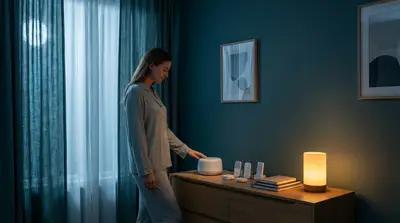
Before adding products, it helps to see your bedroom as a “sleep ecosystem”: light, sound, temperature, and comfort all send powerful signals to your brain about whether it’s safe to relax.
A cool room, usually around 60–67°F (15–19°C), supports the natural drop in core body temperature that helps you fall asleep and stay asleep. Blackout curtains or a quality sleep mask reduce light exposure, which suppresses melatonin and makes sleep more shallow and fragmented. Even small amounts of light—like from hallway fixtures or streetlights—can disrupt your circadian rhythm over time.
Sound also matters. For some, absolute silence feels unsettling; for others, neighborhood or apartment noise keeps the nervous system on alert. This is where gentle background sound—like a white noise machine or a fan—can help by masking unpredictable noises (doors closing, traffic, voices) that might otherwise wake you.
Before buying multiple products, try simple environment shifts:
- Dim overhead lights 60–90 minutes before bed; use warm, low lamps instead.
- Lower your thermostat slightly in the evening if you can.
- Turn off or cover small LEDs from chargers and devices.
- Test whether you sleep better with consistent background sound (fan, soft white noise) or quiet.
Products can then layer onto this foundation, rather than compensate for an overstimulating space.
Weighted Blankets: Gentle Pressure for a Calmer Nervous System
Weighted blankets have become popular for their soothing, “held” feeling. The idea is based partly on “deep pressure stimulation,” which has been studied in sensory-processing and anxiety contexts. That steady, even pressure may help shift the nervous system away from a constant alert state into a more relaxed one.
Some small studies suggest weighted blankets may:
- Reduce self-reported insomnia symptoms in adults.
- Help some people with anxiety feel calmer at night.
- Decrease nighttime movement and awakenings in certain groups.
However, the research is still limited and often involves small sample sizes. Weighted blankets are not a cure-all, but they can be a useful comfort tool for some people.
If you’re considering one:
- Weight: Many experts suggest ~10% of your body weight (for example, 15 lb / ~7 kg for a 150 lb / ~68 kg person), but choose what feels comfortable, not restrictive.
- Temperature: Weighted blankets can feel warmer. If you run hot, look for breathable fabrics or cooling versions.
- Conditions: Avoid heavy blankets if you have certain respiratory, cardiac, or mobility issues, or if you feel trapped or claustrophobic under weight.
Think of a weighted blanket as a nervous-system “softener” that may ease restlessness or pre-sleep anxiety, especially when paired with a calming routine, rather than as a standalone answer to chronic insomnia.
Sleep Supplements & Gummies: Melatonin, Magnesium, and Caution
Sleep gummies—especially melatonin-based—are common, accessible, and heavily marketed. It’s important to understand what these supplements actually do.
Melatonin is a hormone your brain naturally produces in response to darkness. It helps signal when it’s time to sleep, but it isn’t a sedative like prescription sleep medications. Research suggests melatonin can be modestly helpful for:
- Jet lag and circadian rhythm shifts (like night-shift work).
- Certain sleep-onset difficulties, especially when used at the right time.
Key points to keep in mind:
- Typical effective doses are often low (0.5–3 mg) and taken ~1–2 hours before bedtime. Many over-the-counter products contain much higher amounts than needed.
- Timing matters more than size: taking melatonin too late at night or at random times can confuse rather than support your internal clock.
- Long-term effects of regular, high-dose use are not fully understood, especially in children and adolescents.
Magnesium has been studied for its potential to support sleep by influencing relaxation pathways in the nervous system. Some trials suggest it may help people with low magnesium levels or mild insomnia sleep a bit better, but the effects are typically modest.
If you’re thinking about sleep supplements:
- Talk with a healthcare professional, especially if you take other medications or have medical conditions.
- Start with the lowest possible dose.
- Treat supplements as short-term tools while you build long-term sleep-supportive habits (consistent schedule, light management, stress care).
No gummy can replace a regular wind-down window, consistent wake time, and a bedroom shielded from late-night light and stimulation.
Light, Screens, and Blue-Light Glasses: Managing the Evening Glow
Light is one of the strongest signals controlling your circadian rhythm. Exposure to bright light—especially blue-rich light from screens—late in the evening can delay melatonin release and shift your sleep later.
Some people turn to blue-light-blocking glasses in the evening. Research here is mixed but promising in certain contexts: some small studies show improvements in sleep quality or melatonin levels when people wear blue-blocking glasses a few hours before bed, particularly for those who must use screens at night.
However, blue-light glasses are not a substitute for healthy evening habits. They can be a supportive tool, but the underlying principle is still: less intense, less stimulating light at night.
Simple, product-supported strategies include:
- Install night-shift or warm-tone filters on phones, tablets, and computers.
- Use warm, low-lumen lamps rather than bright overhead LEDs after dinner.
- If you work late on screens, consider blue-light-blocking glasses 2–3 hours before bed, and take brief breaks to look away from the screen.
- Step into natural daylight early in the morning when possible; morning light anchors your internal clock and can make nighttime sleep more stable.
In this way, a pair of glasses or an app is not “the fix,” but another gentle nudge helping your body read the time of day correctly.
Sound Machines, Fans, and Calm Audio: What Really Soothes the Brain
Sound products can be surprisingly powerful because the brain remains partially alert to noises even during sleep. For some people, a consistent, nonintrusive sound source makes it easier to both fall asleep and stay asleep.
Common options include:
- White noise machines: Produce a broad, constant sound that masks sudden noises.
- Fans: Offer both airflow and a steady hum.
- Pink or brown noise: Slightly “softer” than pure white noise; some early research suggests they may support deeper slow-wave sleep in certain settings.
- Gentle audio apps: Nature sounds, soft ambient music, or calming narrations.
If you’re exploring sound-based products:
- Keep the volume low—just enough to mask disruptive noise, not dominate the room.
- Avoid content that is emotionally activating (overly dramatic podcasts, intense storylines).
- Choose something that can run all night without abrupt shifts in volume or tone.
The goal is predictability. Your nervous system relaxes more easily when the sensory environment is steady and nonthreatening.
Mattresses, Pillows, and Bedding: Comfort Without the Hype
Mattress and pillow advertising often promises dramatic sleep transformations. While comfort is absolutely essential, there’s no single “best” mattress or pillow style backed by universal evidence. The right setup is mainly about alignment, pressure relief, and personal preference.
Science-based principles to guide your choices:
- Spinal alignment: Your mattress and pillow should keep your neck and back in a neutral position—no sharp bending or sagging.
- Pressure points: Side sleepers often benefit from slightly softer surfaces that cushion shoulders and hips; back sleepers may need more uniform support.
- Temperature regulation: Breathable materials and moisture-wicking fabrics support the natural drop in body temperature needed for sleep.
Before making large purchases:
- Use trial periods whenever offered, and genuinely test how you feel upon waking (stiffness, pain, restfulness), not just how the bed feels when you first lie down.
- Consider smaller changes first: a mattress topper, different pillow height or fill, or breathable sheets can sometimes make a noticeable difference at a lower cost.
- Remember that pain, posture, and underlying health conditions also influence comfort; product changes are part of the solution, not the entire picture.
A calm, supportive bed is less about chasing the most expensive option and more about tuning what you have to your body’s needs.
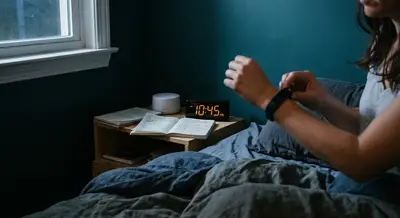
Smart Rings, Trackers, and Apps: Using Data Without Obsessing
Wearable devices and sleep apps can track estimated sleep stages, heart rate, and movement. These tools can increase awareness of sleep habits, but they come with a quiet risk: becoming so focused on the data that it creates “sleep performance anxiety.”
Research has identified a phenomenon sometimes called orthosomnia, where people become preoccupied with achieving perfect sleep scores, which ironically worsens sleep.
If you use sleep-tracking products:
- Treat the data as approximate trends, not absolute truth. Devices estimate, not directly measure, sleep stages.
- Focus on broad patterns: bedtime consistency, total time in bed, nighttime awakenings over weeks—not single-night fluctuations.
- If viewing your data makes you more anxious or restless, consider checking it only once or twice a week, or taking a break from tracking.
Use technology as a mirror that gently reflects your habits back to you, not as a judge that labels nights “good” or “bad.”
How to Choose Sleep Products Intentionally (Without Overloading Your Nightstand)
With so many options, it’s easy to keep adding “just one more thing.” A more soothing approach is to experiment thoughtfully:
Start with your basics
- Consistent wake time, even on weekends.
- Wind-down window (20–60 minutes of low light, calm activities).
- A cool, dark, quiet—or consistently sound-filled—room.
Choose one product category to explore at a time
Maybe you start with a white noise machine or a light-blocking sleep mask. Give it 1–2 weeks of consistent use.Notice how you feel, not just what you think
Track simple cues: how long you feel it takes to fall asleep, how often you remember waking, how rested you feel upon waking.Avoid stacking too many products at once
If you change five things in one week, it’s hard to know what’s helping. Slow changes are calmer for both mind and body.Seek guidance when needed
If you’ve tried environmental changes and supportive products but still struggle with falling or staying asleep for weeks or months, it may be time to discuss your sleep with a healthcare provider. Conditions like insomnia, sleep apnea, or restless legs often need more targeted care than any product can offer.
Conclusion
Sleep products can be comforting allies, but they work best when they gently support the natural biology of sleep instead of promising to override it. A soft weighted blanket can soothe a restless body, a fan can muffle jarring sounds, low-dose melatonin—used carefully—can help reset a drifting body clock, and a thoughtful mattress choice can ease nighttime aches.
Underneath all of these tools is a simple, steady message to your nervous system: it’s safe to let go. By choosing products intentionally, guided by evidence and by your own quiet observations, you can create a bedroom that feels less like a lab experiment and more like a refuge—a place where rest is invited, not forced.
Sources
- National Institutes of Health – “Brain Basics: Understanding Sleep” – Overview of how sleep works, sleep stages, and why sleep is important
- Centers for Disease Control and Prevention – “Sleep and Sleep Disorders” – Evidence-based information on healthy sleep habits, sleep duration, and common sleep problems
- Harvard Medical School – Division of Sleep Medicine: “Blue Light Has a Dark Side” – Explains how evening light and screens affect melatonin and circadian rhythms
- Cleveland Clinic – “Weighted Blankets: What You Need to Know” – Reviews potential benefits, risks, and appropriate use of weighted blankets
- Mayo Clinic – “Melatonin: What You Need to Know” – Provides guidance on melatonin’s uses, dosing considerations, and safety profile