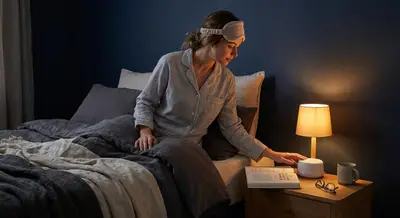
Quiet Mornings, Deeper Nights: A Calmer Path to Better Sleep
Sleep doesn’t need to be a performance or a project plan. It’s a biological rhythm your body already knows how to follow—if you give it the right signals. What often feels like “broken sleep” is, in many cases, a confused internal clock and an overstimulated nervous system. This guide offers a gentle, science-informed way to nudge both back into alignment: through small environmental tweaks, steady routines, and thoughtful use of sleep-supportive products.
How Your Body Knows It’s Time to Sleep
Your sleep isn’t just about feeling “tired enough.” It’s largely governed by two systems: your circadian rhythm (your internal 24-hour clock) and your sleep drive (how long you’ve been awake). When these work together, falling asleep feels natural instead of forced.
Your circadian clock is strongly influenced by light, especially bright blue-enriched light from the sun and screens. Morning light tells your brain it’s daytime, sharpening alertness and anchoring your rhythm. Darkness in the evening signals melatonin release, helping you feel drowsy. If bright screens, overhead LEDs, or late-night scrolling flood your eyes with light at night, your brain gets a “daytime” message at the wrong time.
Meanwhile, your sleep drive builds the longer you’ve been awake. Caffeine can temporarily block the feeling of sleepiness by blocking adenosine, a chemical that builds up in your brain. The timing of caffeine—not just the amount—can determine whether you feel wired at bedtime. Understanding these systems helps you work with your biology instead of trying to overpower it.
Calming Mornings That Lead to Easier Nights
Strangely, your night’s rest often starts with your morning choices. The first hour after waking can either stabilize your internal clock or leave it drifting. Think of morning as your chance to gently “set your sleep timer” for the night ahead.
If you can, expose your eyes to natural light within 30–60 minutes of waking—by stepping outside, sitting near a bright window, or even opening the blinds wide while you prepare breakfast. This morning light helps regulate melatonin and cortisol rhythms, reinforcing a clear boundary between day and night. On darker mornings or if you can’t get outside easily, a high-quality light therapy box (about 10,000 lux, used as directed) can be a helpful, evidence-based option for some people, especially in winter months.
Keep your wake-up time as consistent as life allows—even on days off. Sleeping much later on weekends can create a “social jetlag” effect, making Sunday night and Monday morning especially rough. You don’t need perfection; even aiming for a 30–60 minute window most days gives your internal clock a steadier beat. Hydrating, moving gently (like a short walk or stretching), and delaying caffeine by 30–60 minutes can support a more natural wake-up arc without jolting your nervous system.
Designing a Bedroom That Signals “Safe to Sleep”
Your bedroom environment quietly tells your brain whether it’s time to be on guard or to let go. Small, thoughtful changes can make this space feel more like a cocoon and less like a second office.
Temperature is one of the most powerful signals. Your core body temperature naturally drops before and during sleep. Studies suggest a cooler bedroom—often in the 60–67°F (15–19°C) range for most adults—supports both falling asleep and staying asleep. Breathable bedding (like cotton, linen, or moisture-wicking fabrics) and a lighter duvet can prevent overheating and night sweats from disrupting deep stages of sleep.
Light and sound are the next two levers. Even low levels of light can interfere with melatonin and sleep depth. Blackout curtains or a well-fitted sleep mask can help create true darkness, especially if you live in an urban area or work non-traditional hours. For noise, consider a white-noise machine, a fan, or a sound app that offers consistent, gentle noise to mask sudden sounds. If external interruptive noise is an issue, soft silicone or foam earplugs can be a surprisingly powerful, low-cost ally.
A supportive mattress and pillow matter not just for comfort but for reducing micro-awakenings from pain or pressure points. A medium-firm mattress often works well for many adults, but your best option depends on your body weight, sleep position, and any pain issues. Pillows that keep your neck aligned with your spine (not sharply bent up or down) can reduce stiffness and early-morning discomfort that fragments sleep.
Evening Ease: Gentle Practices That Quiet the Nervous System
By the time evening arrives, your nervous system has usually collected a full day’s worth of alerts, decisions, and screens. Expecting it to switch off instantly at bedtime can feel like slamming on the brakes from highway speed. Instead, think of the two hours before bed as a slow deceleration lane.
Dimming overhead lights, turning on warmer lamps, and reducing screen brightness or using blue-light–filtering settings can help your brain register that “day” is ending. Aim to step away from intense work, email, or emotionally charged conversations at least 60–90 minutes before bed when possible. This isn’t about perfection; even a 30-minute buffer is better than none.
Simple relaxation techniques can further shift your body toward rest. Slow breathing exercises—like inhaling for 4 counts, exhaling for 6–8 counts—help activate the parasympathetic (“rest and digest”) system and reduce heart rate. Progressive muscle relaxation, where you gently tense and release each muscle group from toes to forehead, can ease physical tension that your mind may interpret as “stress.”
If your thoughts race at night, a “worry journal” placed by your bed can be a compassionate tool. Spend 5–10 minutes earlier in the evening jotting down concerns and next steps, telling yourself, “I’ve given these thoughts a home; I don’t need to solve them in bed.” Over time, this practice can retrain your brain to associate your bed with rest rather than planning.
Evidence-Based Product Support: When Tools Can Genuinely Help
Products cannot fix a completely misaligned routine, but the right ones—used in context—can quietly support your biology and comfort. Aim for tools that work with your body’s natural systems rather than overriding them.
Weighted blankets, for example, provide gentle “deep pressure stimulation,” which some studies suggest may reduce anxiety and promote a sense of calm in certain people. The pressure can be soothing for those who feel restless at night, though they’re not ideal if you get hot easily or have some respiratory or circulation conditions. If you try one, look for a weight around 7–12% of your body weight unless your healthcare provider suggests otherwise.
White-noise machines and sound conditioners have research support for masking disruptive noises and improving sleep continuity, especially in noisy environments or for light sleepers. Choose a device with adjustable volume and sound types (white, pink, or brown noise) to find what feels least stimulating but most steady.
For some people, smart sleep trackers or rings can provide helpful feedback on patterns—like how consistent your bed and wake times are, or how caffeine, alcohol, or late-night meals affect your rest. Use this data gently: as a nudge toward helpful habits, not as a rigid score to obsess over. If tracking raises your anxiety, it may be more restful to rely on simple signals like daytime energy and mood instead.
When it comes to supplements like melatonin, caution and timing matter. Low-dose melatonin (often 0.5–3 mg) can help in specific situations—such as jet lag or delayed sleep phase—when guided by a healthcare professional. More isn’t necessarily better; higher doses or poor timing can shift your circadian rhythm in unhelpful ways or cause grogginess.
Food, Caffeine, and Alcohol: Quieting the Internal Stimuli
What and when you consume can quietly support or disrupt your night. You don’t need a perfect diet to sleep well, but a few adjustments often make rest feel more natural.
Caffeine has a half-life of about 5 hours in many adults, meaning that a 4 p.m. coffee can still be partly active at 9 p.m. and beyond. Many sleep experts suggest having your last caffeinated drink around 6–8 hours before bedtime, though sensitivity varies. If you’re struggling with falling or staying asleep, consider slowly shifting caffeine earlier in the day and observing changes over one to two weeks.
Heavy, spicy, or very high-fat meals close to bedtime can lead to reflux, discomfort, or fragmented sleep. Try to finish large meals 2–3 hours before bed, using a lighter snack (like a small portion of yogurt, a banana, or a handful of nuts) if you’re hungry later. For some, foods rich in tryptophan and complex carbohydrates may modestly support sleepiness, but their effect is subtle compared with overall schedule consistency.
Alcohol may help you feel sleepy at first but tends to fragment sleep later in the night, reduce REM sleep, and worsen snoring or sleep apnea. If you notice consistently restless nights after drinks, experimenting with alcohol-free evenings—even just on weeknights—can be a powerful way to see whether your sleep deepens and your morning clarity improves.
When to Seek Professional Help—And Why That’s a Calming Choice
Sometimes, sleep struggles persist even when you’ve adjusted your environment, timing, and habits. If you regularly need more than 30 minutes to fall asleep, wake frequently, snore loudly, feel unrefreshed despite enough time in bed, or experience daytime sleepiness that affects your safety or functioning, it’s worth speaking with a healthcare professional.
Conditions like insomnia, sleep apnea, restless legs syndrome, or circadian rhythm disorders are common and treatable. Cognitive Behavioral Therapy for Insomnia (CBT-I), for example, is a structured, non-drug treatment that has strong evidence for improving chronic insomnia and is recommended as a first-line treatment by major medical organizations. Sleep studies, whether at home or in a lab, can uncover breathing or movement issues that you might never notice on your own.
Seeking support is not a sign that you’ve “failed at sleep.” It’s an acknowledgment that sleep is a complex biological process influenced by health, psychology, environment, and genetics. Partnering with a professional can relieve the burden of trying to “fix it alone” and bring you back to a calmer, more trusting relationship with rest.
Conclusion
Your body is not broken for struggling with sleep in a noisy, bright, always-on world. It is responding predictably to its environment and inputs. By gently adjusting light, timing, temperature, sound, and daily rhythms—and using a few thoughtful tools when needed—you create clearer signals of safety and darkness that your nervous system can understand.
You don’t need to implement everything at once. Choose one or two changes that feel doable this week: perhaps a more consistent wake time, dimmer lights after dinner, or a quieter, cooler bedroom. Notice how your body responds over time. Sleep is less about perfection and more about steady, compassionate signals—repeated often enough that your brain can finally exhale and let you drift.
Sources
- National Institutes of Health – “Brain Basics: Understanding Sleep” – Overview of how sleep works, including circadian rhythms and sleep stages
- Centers for Disease Control and Prevention – Sleep and Sleep Disorders – Evidence-based recommendations on healthy sleep habits and when to seek help
- Harvard Medical School – Division of Sleep Medicine: “Blue Light Has a Dark Side” – Explains how light and screens affect melatonin and circadian rhythms
- American Academy of Sleep Medicine – Cognitive Behavioral Therapy for Chronic Insomnia – Describes CBT-I and its evidence base as a first-line treatment for insomnia
- National Sleep Foundation – Bedroom Environment and Sleep – Discusses temperature, light, noise, and bedding as key factors in sleep quality