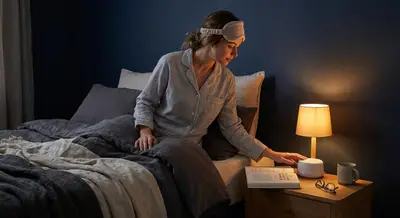
Drift Into Deep Rest: Science-Backed Sleep Tips That Really Work
Good sleep shouldn’t feel like a mystery or a luxury. It’s a biological rhythm your body is designed to follow—yet modern life constantly pulls you away from it. The goal of this guide is to gently nudge your system back toward what it already knows how to do: rest, repair, and reset.
In this article, you’ll find calm, practical, evidence-based techniques to help you fall asleep more easily, stay asleep longer, and wake feeling more refreshed. We’ll also walk through a few thoughtful product recommendations—with a focus on function, not hype—so you can build a sleep environment that supports your body and mind.
Understand Your Sleep System: Why Rest Can Feel So Difficult
Sleep is not an “on/off” switch—it’s a coordinated dance between brain regions, hormones, temperature, light exposure, and daily habits. When you understand the basics, the advice you hear (“avoid screens,” “have a routine”) starts to make deeper sense.
At the core is your circadian rhythm, a roughly 24-hour internal clock governed by a brain structure called the suprachiasmatic nucleus. This clock responds strongly to light—especially bright blue-enriched light in the morning and darkness at night. Morning light helps anchor your sleep-wake cycle, while darkness in the evening signals your brain to release melatonin, a hormone that prepares your body for sleep.
Your sleep is also regulated by “sleep pressure,” driven largely by a chemical called adenosine. The longer you’re awake, the more adenosine builds up, making you feel sleepy. Caffeine works partly by blocking adenosine receptors, which is why late-day coffee can interfere with night-time rest. Layered on top of this are emotional and physiological factors—stress, anxiety, pain, and illness—that can disrupt your ability to both fall and stay asleep.
Seeing sleep as a system can be calming. If you’re struggling, it’s not a personal failure; it’s usually a sign that one or more of these levers—light, timing, stimulation, temperature, or stress—needs gentle readjustment. Small, consistent changes can have meaningful effects over days and weeks.
Anchor Your Rhythm: Light, Timing, and Consistency
One of the most powerful sleep tools is also the simplest: consistency. Your brain loves predictable patterns, and a regular schedule teaches your body when to feel alert and when to feel drowsy.
Try to wake up at roughly the same time every day—even on weekends—within about an hour’s range. This consistent wake time anchors your circadian rhythm more reliably than a fixed bedtime alone. As often as possible, pair that wake time with 10–30 minutes of natural light exposure, ideally outside. Morning light is especially good at reinforcing your internal clock, helping you feel sleepier at a more predictable time at night.
In the evening, aim for a wind-down routine that starts 30–60 minutes before bed. Keep the sequence simple and repeatable: dim the lights, put devices aside or switch to “do not disturb,” do one or two calming activities (reading a physical book, light stretching, or journaling). Over time, this routine becomes a cue to your brain that sleep is coming.
Try to keep naps short (10–25 minutes) and earlier in the day. Long or late naps reduce your sleep pressure and may delay your ability to fall asleep at night. If your schedule is highly irregular due to shift work or caregiving, experiment with creating “anchors”—consistent waking times or light exposure windows where possible—to offer your body some stability in an otherwise shifting routine.
Calm Your Nervous System: Techniques for a Softer Mind at Night
Many people struggle not with the act of sleeping itself, but with what happens in the hour before bed: racing thoughts, replayed conversations, or worries about the next day. These are signs your nervous system is still in a “high alert” mode rather than a restful one.
Breathwork is a simple, evidence-informed way to gently shift toward calm. One practical method is the 4-6 breathing pattern: inhale through your nose for a count of 4, and exhale for a count of 6. Longer exhales can stimulate the parasympathetic nervous system—the “rest and digest” branch—helping reduce physiological arousal. Doing this for 5–10 minutes in bed (or just before) can make it easier for your body to transition toward sleep.
Another helpful practice is a “worry buffer.” About 1–2 hours before bed, set aside 10 minutes to write down anything that’s bothering you and any tasks you’re afraid you’ll forget. Beside each item, note a small next step for the following day. This externalizes your concerns, signaling to your brain that they are captured and do not need to be solved in the middle of the night.
Body-based techniques can also be soothing. Progressive muscle relaxation—a method where you gently tense and then relax muscle groups from your toes up to your face—has been shown to reduce anxiety and improve sleep onset in some people. Guided meditations, particularly those designed for sleep, can act as “mental scaffolding,” giving your mind something gentle to focus on rather than cycling through stress.
If you find your thoughts accelerating once you lie down, it can be helpful to shift your goal. Instead of “I must fall asleep now,” aim for “I will rest calmly with my eyes closed.” This subtle mindset shift reduces performance pressure, and paradoxically, rest often turns into sleep once the pressure eases.
Shape Your Sleep Environment: Temperature, Light, and Sound
Your bedroom is not just a room; it’s a signal. When it consistently feels dark, quiet, and cool, your brain begins to associate it with sleep, not wakefulness.
Temperature is one of the strongest environmental cues. Your core body temperature naturally drops in the evening; a slightly cool bedroom supports this process. Research suggests that a bedroom temperature in the range of about 60–67°F (15–19°C) is ideal for most people, though individual comfort varies. A warm bath or shower 1–2 hours before bed may also help by warming your skin and promoting a subsequent drop in core body temperature, which can ease sleep onset.
Darkness is equally important. Even modest light exposure at night can influence melatonin secretion and sleep quality. Blackout curtains, a properly fitted sleep mask, and dim warm-colored bulbs (or lamps with low color temperature) in the evening can be surprisingly impactful. Consider shifting to lamps instead of overhead lights after dinner, and enable “night mode” or blue-light reduction features on screens if you must use them.
Sound is very personal. Some people sleep best in silence; others find consistent background noise, such as a fan, white noise machine, or a gentle sound app, masks disruptive environmental sounds like traffic or neighbors. Choose the soundscape that feels least intrusive and most sustainable—something you could comfortably listen to every night.
Finally, think about reducing non-sleep activities in bed. If possible, reserve the bed for sleep and intimacy rather than work, eating, or scrolling. This strengthens the mental association between “bed” and “rest,” making it easier for your mind and body to switch gears when you lie down.
Gentle Product Recommendations: Tools That Support, Not Replace, Good Habits
Products can’t fix poor sleep habits on their own, but certain tools can make healthy sleep practices easier and more comfortable. The focus should be on alignment with your biology—not quick fixes.
1. Evidence-aligned lighting and light-blocking tools
- Blue-light–filtering glasses: Wearing amber or orange-tinted glasses in the 1–2 hours before bed may help reduce the alerting effects of bright evening light, especially if you use screens. While not a cure-all, studies suggest they can modestly improve subjective sleep quality in some people.
- Blackout curtains or sleep masks: These are low-risk, often high-reward ways to block streetlights or early-morning light, supporting melatonin production and deeper sleep.
2. Bedding and temperature aids
- Breathable, natural-fiber sheets (like cotton, bamboo, or linen) can help regulate body temperature and moisture. If you tend to overheat, look for “cooling” or moisture-wicking designs rather than heavy synthetics.
- Cooling mattress toppers or pads may be helpful if your mattress sleeps hot. They do not need to be technologically complex; even a well-designed, breathable topper can improve comfort.
3. Supportive pillows and mattresses
- Choose a pillow that keeps your head in line with your spine—too high or too low can create neck strain. Side sleepers often need a loftier pillow than back sleepers.
- When it comes to mattresses, there’s no universal best option; comfort and spinal alignment are key. Medium-firm mattresses tend to work well for many people, especially those with back pain, but your personal comfort is the deciding factor. If possible, take advantage of trial periods.
4. Non-habit-forming sleep aids (with caution)
- Melatonin supplements can be helpful for specific situations, like jet lag or shift work, and sometimes for circadian rhythm disorders. However, most people benefit from low doses (often 0.5–3 mg) taken 1–2 hours before bed. Because supplement quality and dosing can vary, it’s important to discuss regular melatonin use with a healthcare professional.
- Be cautious with over-the-counter sleep medications and herbal blends promising “deep sleep fast.” Many contain antihistamines that can leave you groggy the next day and may not be suited for long-term use.
The most effective “sleep products” are often simple tools that help you create the right environment and maintain supportive habits. Whenever possible, start with behavioral changes and use products to reinforce, not replace, these foundations.
When to Seek Professional Help: Knowing It’s More Than Just “Bad Sleep”
While many sleep difficulties can be improved with consistent routines and environmental changes, some patterns suggest a deeper issue that’s worth discussing with a healthcare provider.
Consider seeking professional help if you:
- Have persistent insomnia (trouble falling or staying asleep) at least three nights a week for more than three months, despite lifestyle changes.
- Regularly wake up gasping, snoring loudly, or feeling like you are choking, or if a partner notices your breathing stops and starts during the night—these can be signs of sleep apnea.
- Experience overwhelming sleepiness during the day, frequent unintended sleep episodes, or sudden muscle weakness triggered by emotions.
- Have intense, distressing nightmares or behaviors like kicking, punching, or acting out dreams that may pose a risk to yourself or others.
Cognitive Behavioral Therapy for Insomnia (CBT-I) is considered a first-line treatment for chronic insomnia and has strong evidence behind it. Many therapists and online programs specialize in CBT-I, focusing on changing thoughts and behaviors that maintain poor sleep. Reaching out for help is not a sign that you’ve “failed” at sleeping; it’s an informed step toward restoring a vital part of your health.
Conclusion
Your body carries an ancient, built-in wisdom about how to sleep—every healthy night is proof that this system still works, even if it’s been disrupted. By gently aligning your lifestyle with how your brain and body naturally regulate rest—through light, timing, temperature, calm, and a supportive environment—you give that system space to function again.
You don’t need to adopt every suggestion at once. Choose one or two changes that feel manageable—perhaps a regular wake time and a brief wind-down routine—and allow them to settle in for a week or two. Over time, small, stable shifts can lead to deeper, more restorative sleep, leaving you clearer, calmer, and more resilient during the day.
Let your evenings become a slow exhale. Your nervous system will learn the pattern, and your sleep will follow.
Sources
- National Institutes of Health – “Brain Basics: Understanding Sleep” – Overview of how sleep works, circadian rhythms, and stages of sleep
- Centers for Disease Control and Prevention – “Sleep and Sleep Disorders” – Evidence-based guidance on healthy sleep duration, sleep hygiene, and public health impacts of poor sleep
- Harvard Medical School, Division of Sleep Medicine – “Healthy Sleep” – Educational resource on sleep regulation, light exposure, and practical tips for improving sleep
- Cleveland Clinic – “Cognitive Behavioral Therapy for Insomnia (CBT-I)” – Explanation of CBT-I and how it helps people with chronic insomnia
- Mayo Clinic – “Melatonin” – Evidence-based information on melatonin supplementation, dosing, and safety considerations